


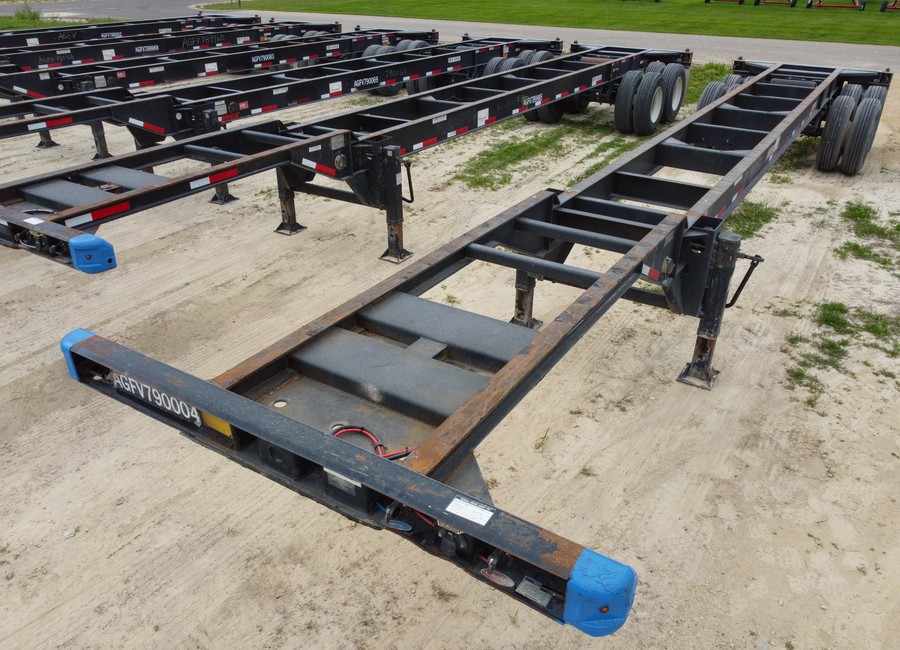
Container chassis move through ports, rail yards, and warehouses multiple times during a single shipment. Each location handles large volumes of equipment and containers, making it easy for units to get misplaced or misassigned. Clear identification provides a reliable way to track each chassis throughout the transport cycle. Without it, logistics teams risk confusion, delays, and inefficiencies.
Here are some ways proper identification improves chassis tracking and overall operations:
Accurate Tracking Across Operations
Tracking systems rely on every chassis having a unique number or code. That identifier connects the physical equipment to digital records, making updates reliable. Scanners, RFID tags, and GPS devices all link movement to this ID. When staff can verify the correct chassis instantly, pickups and deliveries proceed smoothly. This process reduces errors and keeps shipments on schedule.
Matching Equipment With Loads
Not all chassis are compatible with every container. For example, a gooseneck container trailer must support specific container types. Identification allows staff to confirm compatibility before the container leaves the yard. This step prevents loading issues at terminals and avoids delays in intermodal transfers. Properly matched equipment also ensures safety and efficiency in handling containers.
Improved Fleet Visibility
Chassis represent a significant investment. Identification provides visibility into how units move and are utilized across the network. Fleet managers can see which chassis are active, idle, or undergoing maintenance. This insight allows better scheduling and distribution, preventing bottlenecks and underused equipment. Knowing the status of each chassis keeps operations predictable and organized.
Informed Equipment Decisions
Tracking data tied to clear chassis identification informs purchasing and expansion strategies. For instance, companies evaluating tank chassis for sale can review usage patterns, movement frequency, and operational demands. Understanding which equipment is most needed helps plan fleet growth intelligently.
Clear identification also reduces losses and misplacement, keeping assets visible and accountable across yards and terminals. Over time, better tracking data leads to smoother coordination throughout intermodal transport operations.