

The financial landscape of the Middle East and North Africa (MENA) region has evolved rapidly, with more traders gaining access to global markets through digital platforms. Among the financial instruments attracting attention are Contracts for Difference (CFDs), which allow traders to speculate on price movements without owning the underlying assets.
While CFDs offer flexibility and leverage, they also carry risks, making a solid grasp of trading strategies essential for success.
Understanding Long and Short Positions
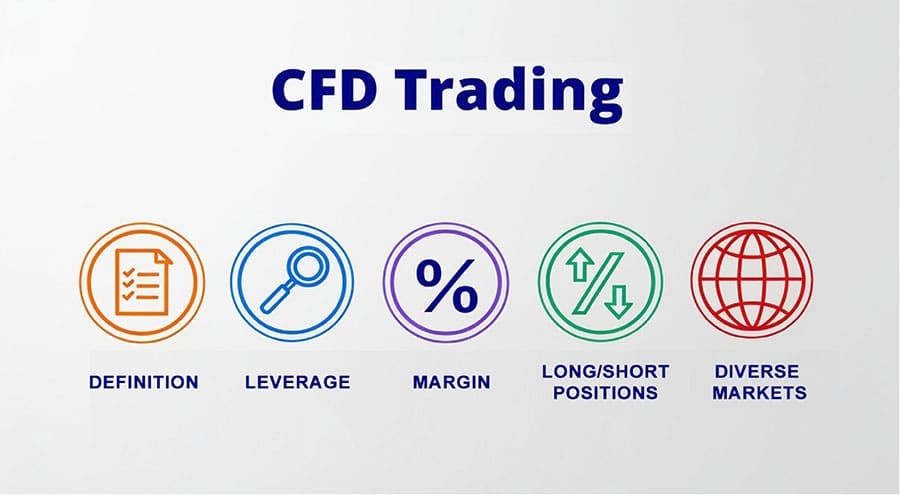
At the core of CFD trading lies the concept of taking long or short positions. A long position is the more traditional approach, where a trader buys a CFD anticipating that the underlying asset’s price will rise. If the market moves in the expected direction, the trader profits from the difference between the purchase price and the higher selling price. Long positions are particularly popular during bullish market conditions and can be applied to a wide range of assets, including equities, commodities, and indices.
Short positions, on the other hand, allow traders to profit from falling prices. By selling a CFD without owning the underlying asset, a trader aims to buy it back at a lower price later. Short selling can be an effective tool during market downturns or periods of uncertainty. However, it is important to note that short positions carry unlimited risk if the asset price rises sharply, highlighting the importance of risk management techniques such as stop-loss orders.
For MENA traders, understanding when to deploy long or short strategies requires an awareness of both global market trends and regional economic indicators. Oil price fluctuations, currency movements, and geopolitical events can all significantly impact the performance of CFDs tied to specific assets. Developing the ability to interpret these signals can provide traders with a strategic edge.
Leveraging CFD Trading for Portfolio Diversification
CFDs offer a unique opportunity for traders to diversify their investment portfolios. Unlike traditional investments that require significant capital to access a variety of assets, CFDs enable traders to gain exposure to multiple markets with relatively small amounts of capital. This accessibility is particularly appealing to MENA traders who wish to participate in global markets without the complexities of owning physical assets.
Diversification through CFDs can mitigate risk by spreading exposure across asset classes such as stocks, commodities, and indices. For example, a trader in the region might use CFDs to gain exposure to international technology stocks while simultaneously trading oil or gold CFDs to hedge against regional market volatility. By balancing positions across different sectors and geographies, traders can reduce the impact of adverse movements in any single market segment.
Hedging Strategies for Risk Management
While CFDs can amplify gains, they can equally magnify losses, making hedging an indispensable tool for risk-conscious traders. Hedging involves taking offsetting positions to protect an existing investment from adverse price movements. For instance, if a trader holds a significant long position in regional equities, they might open a short CFD position in a correlated international index to mitigate potential losses in case of market downturns.
Hedging is particularly valuable in the MENA region, where markets can be influenced by sudden geopolitical or economic events. By carefully analysing correlations between assets and employing strategic hedges, traders can maintain portfolio stability even during periods of high volatility. Moreover, CFDs allow for flexible hedging due to their low capital requirements and ease of execution, enabling traders to respond quickly to changing market conditions.
Accessing Global Markets Through Online Platforms
The rise of sophisticated online trading platforms has transformed CFD trading in the MENA region. Traders now have the ability to access real-time market data, execute trades instantly, and implement complex strategies from anywhere with an internet connection. Platforms that cater specifically to the region offer multilingual support, regional regulatory compliance, and tailored educational resources, helping traders navigate both local and global markets efficiently.
For those just beginning, learning to leverage these platforms effectively is essential. Traders can experiment with virtual accounts, track historical performance, and refine strategies without financial risk. As experience grows, transitioning to live CFD trading becomes a natural step, supported by informed decision-making and technical proficiency.
For anyone looking to explore these opportunities, investing online provides a gateway to global markets with a range of CFDs on stocks, commodities, indices, and more. By combining platform access with disciplined strategies and risk management, traders in the MENA region can confidently participate in international trading arenas.
Conclusion
CFD trading offers MENA traders a flexible way to engage with global markets and diversify portfolios, but it requires careful planning and risk management. Long and short positions, diversification, and hedging are key strategies that help manage volatility and capture opportunities.
By integrating market insights, disciplined execution, and access to robust online platforms, traders can approach CFD trading with confidence and build a sustainable path toward financial growth.